 Rao habib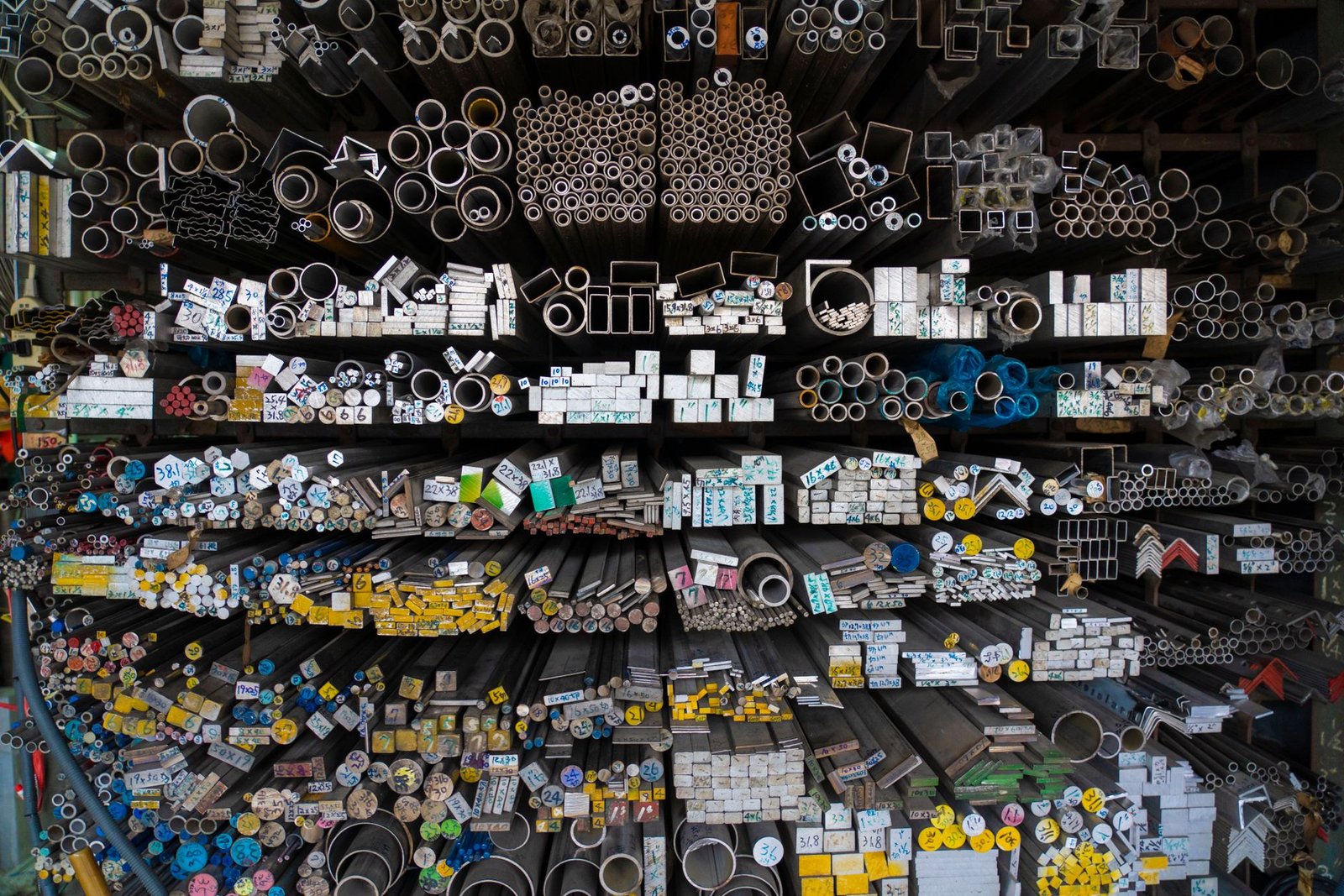
Easy way to understand metals and non-metals.
How we understand the difference between metals and non-metals. As students and as teachers, we easily differentiate between metals and non-metals. We take daily life examples to understand this.
Imagine we enter a grand ballroom with elements as guests; some of them are shining under the light and get attention for their weight and brilliance. And other skitters quietly in the corner, which are soft but important in life. This is a world of metals and non-metals in periodic tables, which are two contrasting personalities.
Metals are bold and shining.
If we talk about the metals, we can say that metals are like outsiders of the elements’ family. They are bold and shiny. Metals are like reliable friends who are always up for challenges. They love to share electrons; this property makes them good conductors of heat and electricity. If we see iron, copper, and aluminum—they are strong, durable, and can be shaped into handy tools or structures.
Metals have some defining traits.
Lustrous appearance.
They shine when we polish the metals, and they catch light like spyware and jewelry.
Malleability and ductility: if we talk about metals, they love a good stretch—they can be hammered into sheets or drawn into wires.
Electrical and thermal conductivity
Electrical and thermal conductivity is social in nature; when we flow energy through them, it passes through metals easily. We see that metals efficiently transmit heat and electricity, like humans with high mental or social responsiveness.
Reactivity. If we talk about some metals like, (sodium, potassium) are highly reactive, and have energetic human dispositions, if we see the noble metals like (gold, platinum) are inert, which show stability and consistency.
Alloy Formation: if anyone asks about the alloy, we say that it is a mixture of two metals or gases when metals combine with others to form alloys, which represents collaboration, integration, and synergy.
Tendency to lose electrons: like humans, metals are generous, but some people are not generous like metals, but they give up electrons easily to form positive ions.
If we see our daily life, metals dominate our everyday life, like the wires we made from metals powering our homes to the coins jingling in your pocket. They like to stick together, forming alloys like steel, which is simply a social gathering of iron and carbon, stronger as a team than alone.
The Diverse and Independent Thinkers:
If we talk about the non-metals to understand easily, they are creative individuals who have their own value independently. They do not shine as brightly, and they prefer keeping their electrons to themselves and not being generous like metals, this property making them insulators or poor conductors. If we take examples of oxygen, carbon, and sulfur—they’re essential for life, yet they march to their own beat.

We discuss here someday qualities of non-metals to understand them:
Dull appearance: if we see the non-metals, they rarely glimmer and have dull appearance; they are not shining like metals.
Brittleness in solid form: like metal, they do not enjoy being stretched or hammered, but we talk about metals; they have these properties.
insulator properties,
If we see that metals are conductors, but nonmetals keep energy to themselves and have insulator properties, they resist the flow of electricity and heat.
Tendency to gain or share electrons: if we talk about metals and non-metals when they meet, magic happens like sodium, which is metals and chlorine, which is non-metal; they meet like friends and form life-giving compounds like table salt. And make their friendship strong. And they focus on forming bonds closely with others, forming compounds like water (H₂O) or carbon dioxide (CO₂).
Chemical Traits of Non-Metals in Humans:
If we talk about the importance of non-metals in the human body, then we see that the non-metals in the human body display several important chemical characteristics:
Electron affinity and electronegativity: if we see non-metals love to gain or share electrons, and make them highly reactive in covalent bond formation. This property helps the formation of DNA, proteins, and water molecules bond formation, which is helpful in the human body: Non-metals commonly form strong covalent bonds, crucial for stable molecular frameworks in living tissues (e.g., C–H, C–O, N–H bonds).
.
Oxides: Non-metals are important to form acidic oxides; for example, carbon dioxide (CO₂) plays important roles in respiration and pH balance in the human body.

.
Although the non-metals are less dominant as compared to metals, non-metals are life-giving. For example, in our daily life, oxygen fuels help in our breaths, carbon forms the backbone of our life, and chlorine keeps water clean. If we say that they may be quiet but play crucial roles in the story of life and nature.
Conclusion.
We conclude from the above properties: Metals and non-metals may seem as different as night and day, but together, they compose the rich tapestry of chemistry that shapes our world. If we see the metals, they are sturdy and social, and non-metals are likely to live as independent, and metalloids act as the versatile mediators. If we think about the elements as personalities, it can help us to understand chemistry on a human level. If we see the metals, they remind us of generosity and strength, willing to share to achieve stability, but when we talk about the non-metals, they teach precision and seductiveness, and finding the right partnerships. When metals and non-metals meet, they shape the physical universe, one bond at a time.
Fun way.
If we talk about these two personalities in our daily life, next time you see a copper wire or table salt, remember that the metals and non-metals are not just cold substances but also—they have a story, a character, and have a role that brings life and energy to our everyday world.